


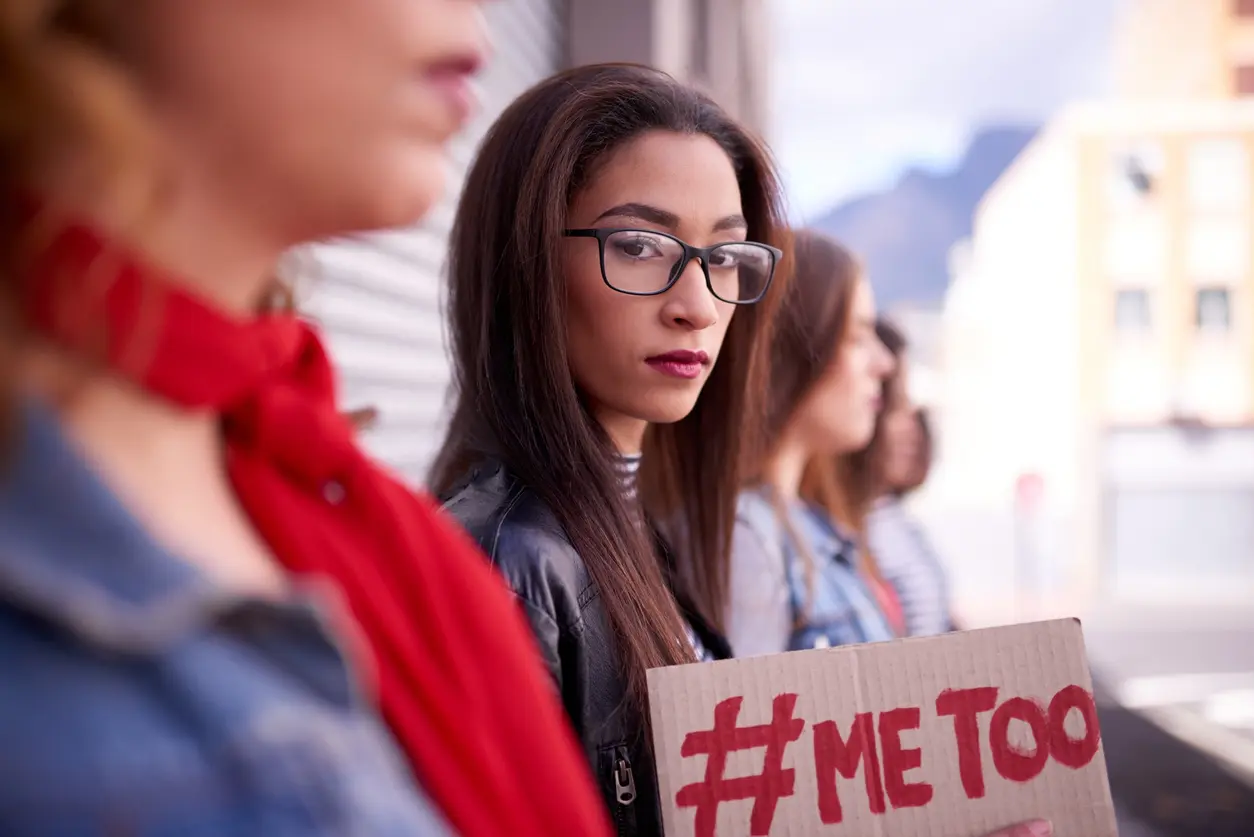









Sexual harassment, assault, and retaliation continue to affect federal workplaces at every level, including agencies, Congress, and other government offices. Federal employees have enforceable rights under laws such as Title VII, along with strict procedures and short deadlines that shape how claims must be brought. At Solomon Law Firm, PLLC, we represent federal employees in #MeToo litigation and provide clear, strategic guidance to help you take action while protecting your career and legal rights.
Why Work With Solomon Law Firm, PLLC
Federal employee claims follow a structured process with tight deadlines and agency-specific rules. We build strong claims from the outset to position you effectively at each stage.
- Extensive experience handling claims before the EEOC and federal courts
- Strategic case development based on evidence and agency response
- Clear guidance on EEO procedures and filing deadlines
- Direct communication so you understand each step
- Representation in settlement discussions and litigation when needed
- Nationwide representation with offices in Washington, D.C., New York, and Albany
What Does #MeToo Litigation Mean for Federal Employees?
#MeToo litigation involves legal claims tied to workplace misconduct, including harassment, assault, and retaliation. Federal agencies are required to maintain workplaces free from discrimination based on sex. This includes responding to complaints, investigating misconduct, and taking corrective action when necessary. When an agency allows misconduct to continue or fails to respond appropriately, it may be legally liable.
What Types of Claims Can Federal Employees Bring?
Federal #MeToo claims arise from workplace conduct that affects your ability to do your job.
Common claims include:
- Sexual harassment: Unwelcome comments, jokes, messages, or conduct of a sexual nature that interferes with your work environment
- Sexual assault: Unwanted physical contact or coercion connected to your job or a work-related setting
- Retaliation: Negative actions after you report misconduct or participate in an investigation, such as reassignment, discipline, or exclusion
- Quid pro quo conduct: Situations where job benefits or opportunities are tied to sexual demands
- Failure to act: When an agency ignores complaints, delays an investigation, or does not take steps to stop the behavior
These issues can involve supervisors, coworkers, or others in the workplace.
What Federal Law Protects You From
Federal law treats sexual harassment as a form of sex discrimination. These claims are generally analyzed under two legal frameworks:
- Quid pro quo harassment: When a supervisor links employment decisions, such as promotions or continued employment, to sexual conduct
- Hostile work environment: When conduct is severe or repeated enough to affect your working conditions
Retaliation is also a separate violation. If your agency takes adverse action after you report misconduct or take part in an investigation, that conduct may support an additional claim.
Title VII of the Civil Rights Act requires federal employers to address harassment, investigate complaints, and take appropriate corrective action. When an agency fails to meet these obligations, it may be held legally responsible.
How the Federal EEO Process Works
Federal employees must act quickly. In most cases, you are required to contact an Equal Employment Opportunity (EEO) counselor within 45 days of the incident or when you became aware of it. Missing this deadline can prevent you from pursuing a claim altogether.
The process typically includes:
- Informal counseling or mediation
- Filing a formal complaint with your agency
- Agency investigation
- Requesting a hearing before an EEOC administrative judge or proceeding to a final agency decision
- Appeal to the EEOC Office of Federal Operations or file a lawsuit in federal district court if you are not satisfied with the outcome
What Evidence Helps Support a #MeToo Claim?
Evidence may include:
- Emails, messages, or internal complaints
- Witness statements
- Performance records before and after the incident
- Documentation of disciplinary actions or reassignment
- Personal notes detailing incidents and timelines
We help you organize this information in a way that aligns with federal procedures and supports your claim.
What Can You Recover in a Federal #MeToo Case?
Federal employees may be entitled to several forms of relief:
- Back pay and lost benefits
- Reinstatement or job-related remedies
- Compensation for emotional distress
- Attorney’s fees and costs
Available remedies depend on the facts of your case and how it progresses through the administrative process.
How We Help You Move Forward
We approach these cases with a clear, structured plan.
We will:
- Review your situation and identify potential claims
- Explain the EEO process and required deadlines
- Help you preserve and present evidence
- Communicate with your agency or EEO counselor when appropriate
- Advocate for resolution through settlement or hearing
Take Action Before Filing Deadlines Close
Federal #MeToo claims move on a strict timeline. Waiting too long can limit or eliminate your ability to pursue relief.
If you have experienced harassment, assault, or retaliation in a federal workplace, contact Solomon Law Firm, PLLC for a confidential consultation. We will help you assess your options, meet required deadlines, and move forward with a clear plan.
Frequently Asked Questions
Can I pursue a claim if I did not file an internal complaint right away?
Possibly. Timing matters, but options may still exist depending on when the conduct occurred and whether it continued over time.
What if the person involved is not my direct supervisor?
You may still have a claim. Agencies can be responsible for misconduct by coworkers or others if they knew or should have known and failed to act.
Will filing a claim affect my security clearance?
In most cases, reporting workplace misconduct should not negatively affect your clearance.
Can I pursue a claim if the conduct happened at a work-related event?
Yes. Misconduct at conferences, off-site meetings, or other work-related functions may still qualify as workplace harassment under federal law.